The goal is surgery that is safer, more effective and available to more patients. Born in neurosurgery. Built for the narrow corridors and confined spaces surgery finds hardest to reach.









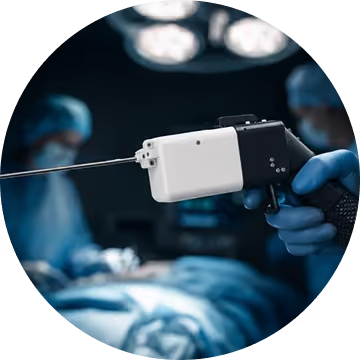
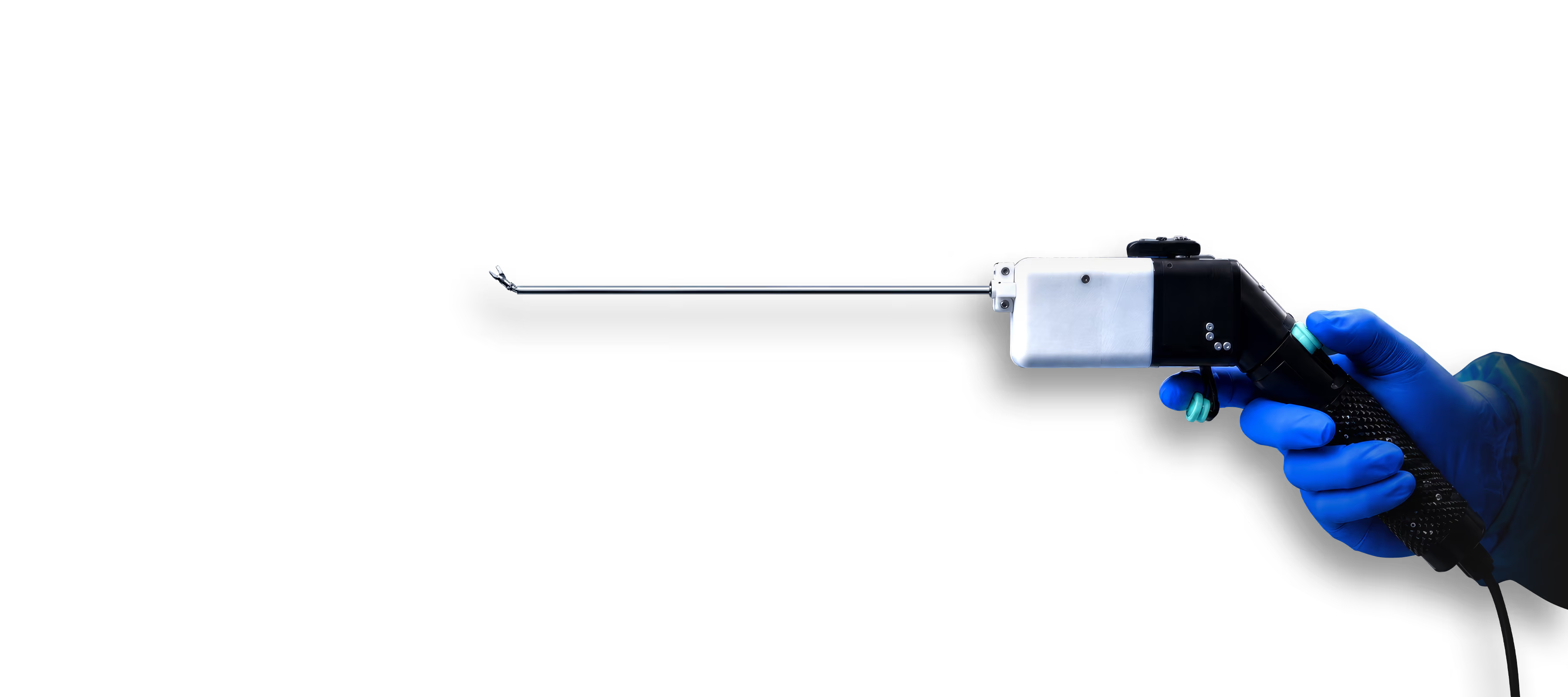
Minimally invasive surgery is limited by two things: what a surgeon can know about the anatomy ahead of them, and what they can physically do once they reach it. Victor is built to address both in one handheld platform — AI that supports recognition and orientation, and a 3 mm articulated instrument that adds dexterity conventional tools don't have.

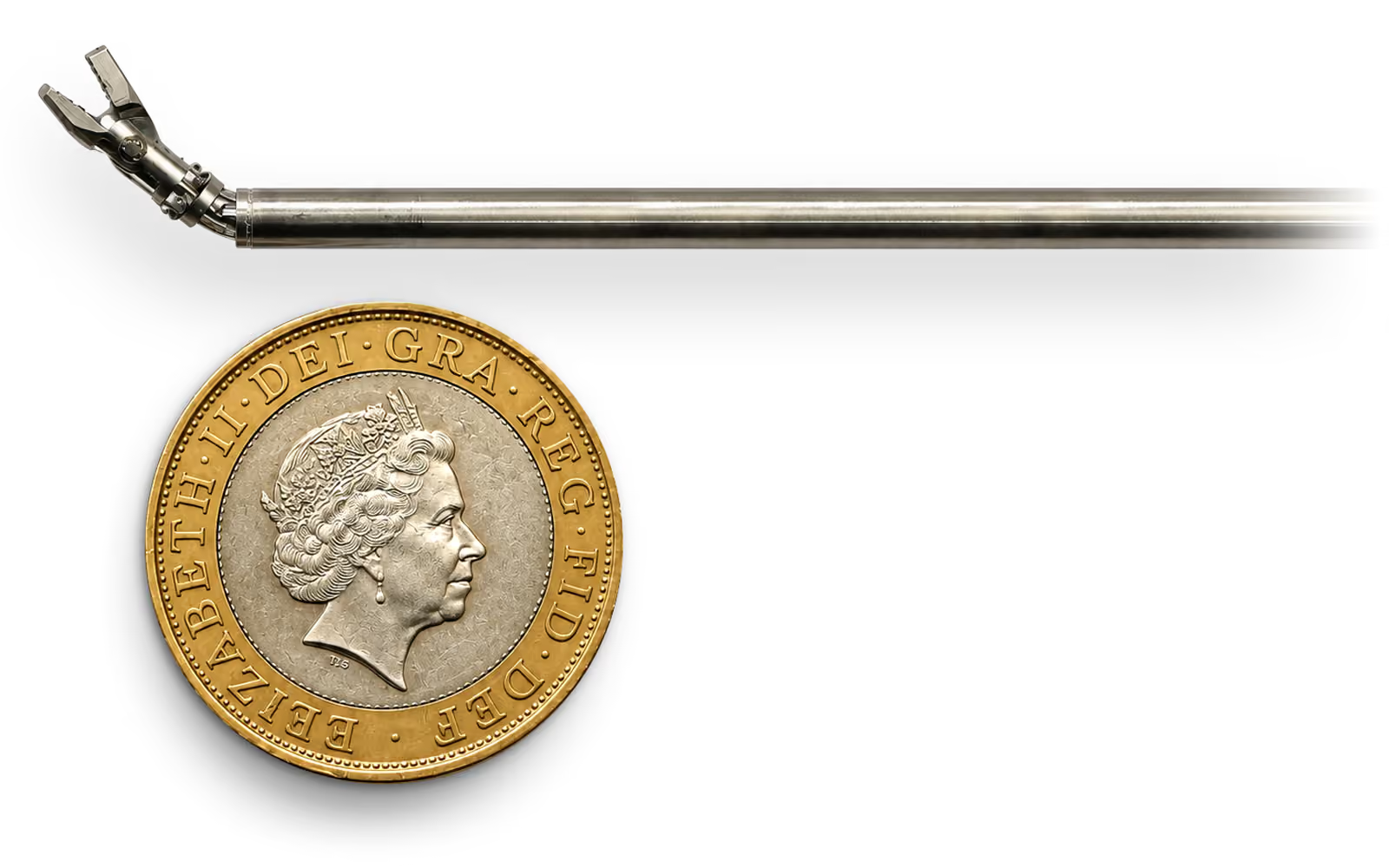
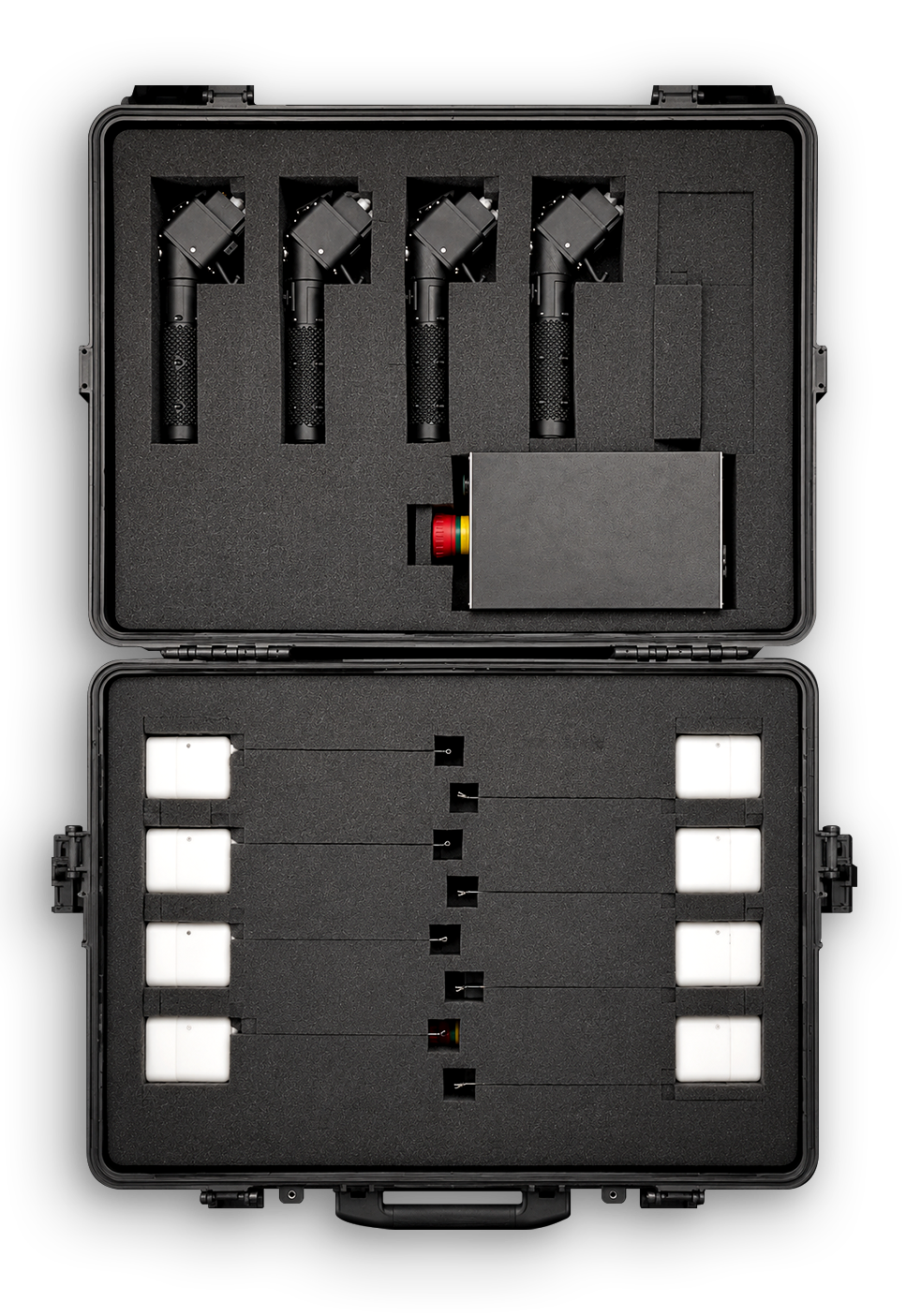
Small enough to fit in a suitcase. Built to work in the theatre a hospital already has, not a new one.
Skull base, cranial and ventricular approaches, including tumours, reached through small openings.
Procedures including decompression and discectomy, reached through small working channels.

More procedures through smaller openings, with the potential for less pain, fewer approach-related complications, and faster recovery.

Capability without added complexity. Victor's AI provides information where it is useful; its instruments extend movements the surgeon already makes, for a potentially shorter learning curve than minimally invasive surgery requires with conventional instruments today.
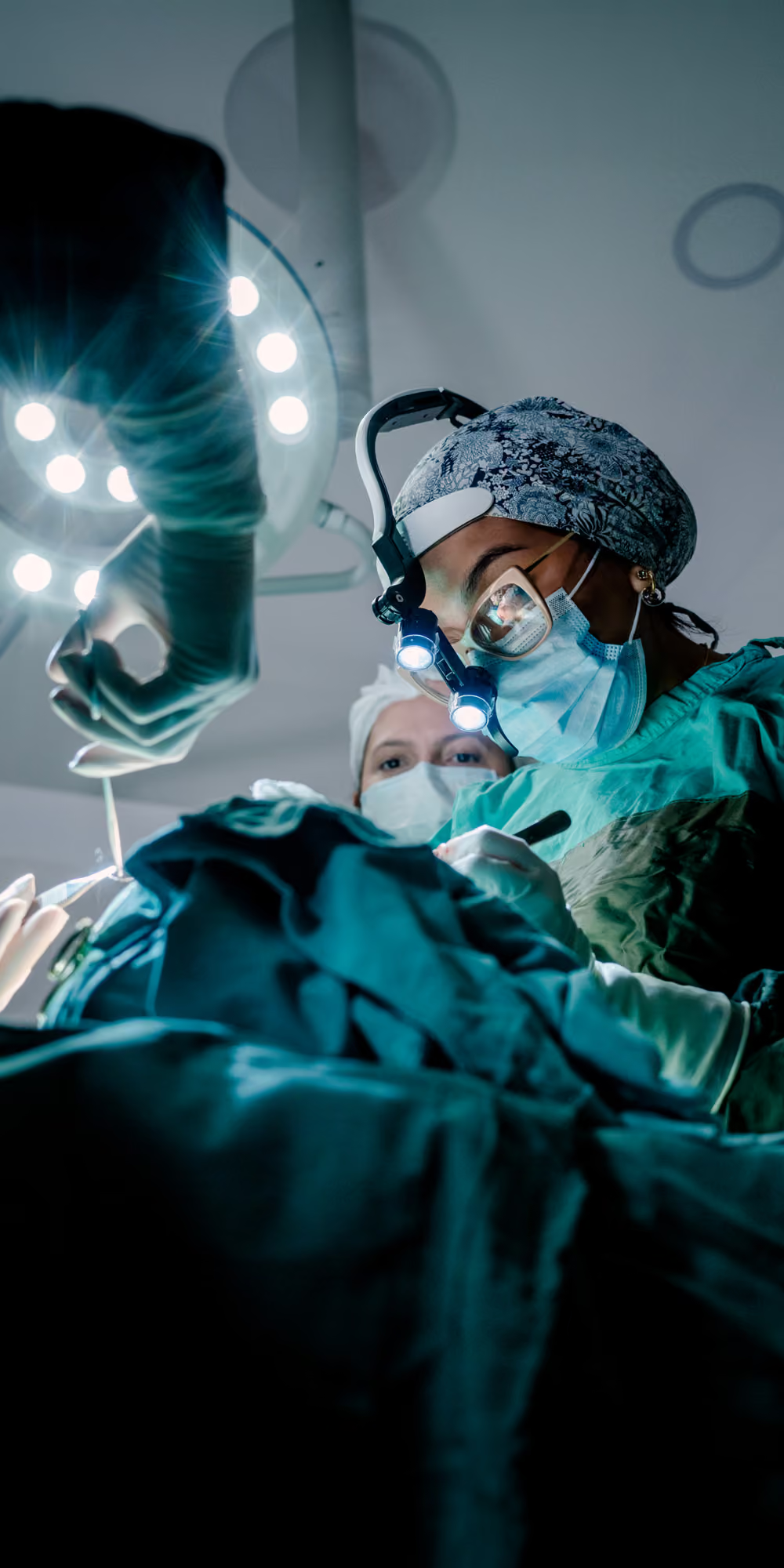
Advanced capability deployed within the space and budget a hospital already has.
Victor is named after Sir Victor Horsley, appointed at Queen Square to what is widely described as the first dedicated neurosurgical post in history. Panda Surgical was founded at Queen Square by three people who reached the same conclusion from different directions: minimally invasive surgery could become easier, more effective and more widely available, given better information and better instruments.

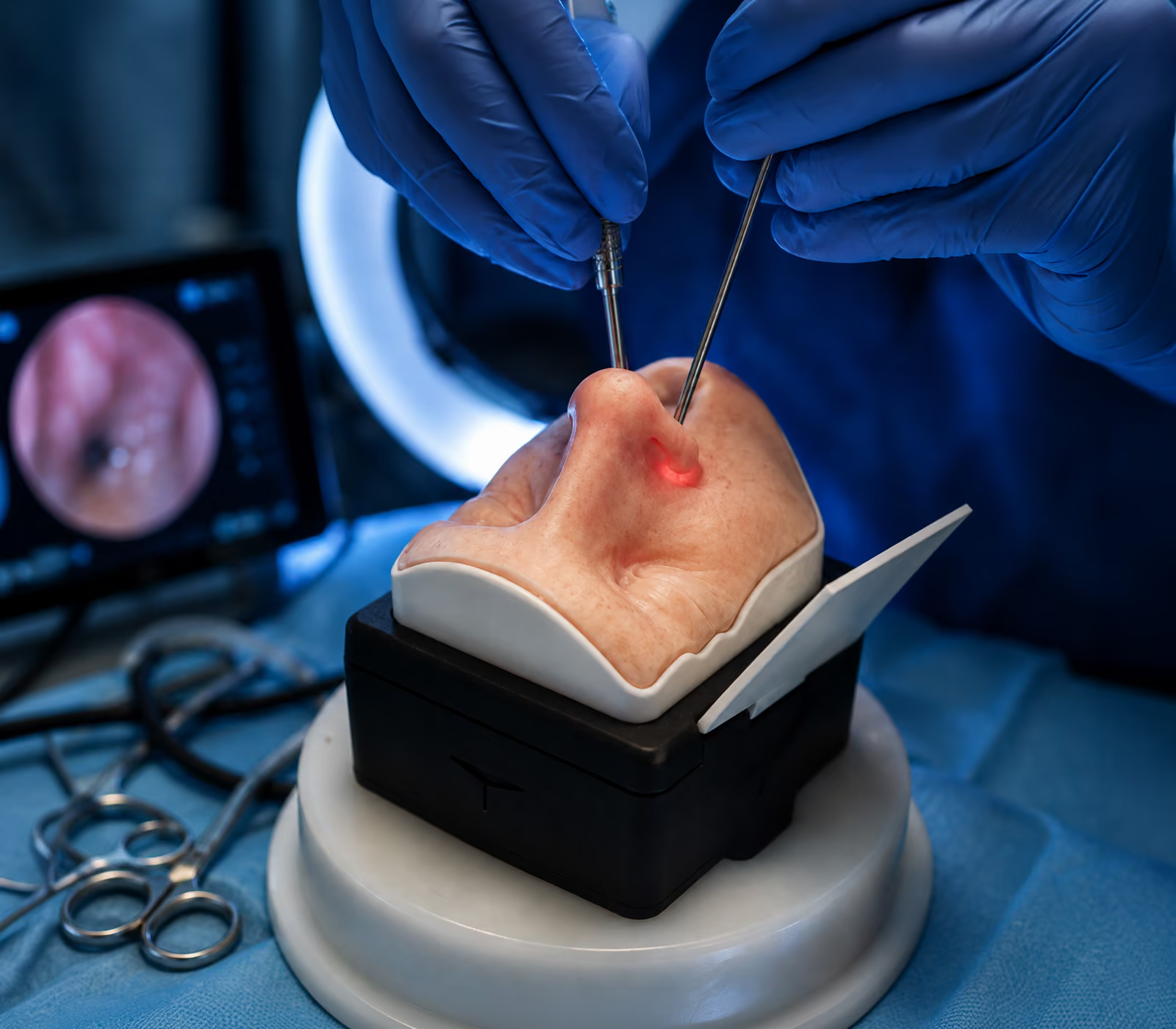
Victor is being developed alongside surgeons, patients and healthcare systems, following the IDEAL framework for the evaluation of surgical innovation.
Panda Surgical was founded at Queen Square by Hani, Manios and Dan, bringing together neurosurgery, robotics engineering and AI.

Manios Dimitrakakis obtained a combined BA and MEng in Electrical and Computer Engineering at the University of Patras, with his Master's thesis subject being the development of a novel robotic manipulator for thoracic surgery. He then went on to do a PhD in University College London Computer Science on the development of handheld robotic devices for minimally invasive neurosurgery. To translate the technology he developed during his PhD into the operating theatre, he co-founded Panda Surgical, a UCL spinout, alongside his PhD supervisors UCL CS Prof. Danail Stoyanov and UCLH neurosurgeon Mr. Hani Marcus. Since May 2023, he has been leading the effort at Panda Surgical as the company's CEO.

Hani Marcus is Professor of Neurosurgery at the UCL Queen Square Institute of Neurology and a consultant neurosurgeon at the National Hospital for Neurology and Neurosurgery. He specialises in minimally invasive approaches to brain and skull base tumours and has led related international guidelines. He was awarded a PhD from Imperial College London for his work on surgical robotics and now leads research focused on robotics and artificial intelligence. His group has attracted substantial research funding, produced more than 250 peer-reviewed publications, and contributed to major frameworks for surgical innovation, including the IDEAL framework on surgical robotics. He was also editor of the first book dedicated to neurosurgical robotics, and his work has been recognised through visits from Her Royal Highness The Princess Royal and the Secretary of State for Science, Innovation and Technology. He co-founded Panda Surgical to help bring these technologies into everyday surgical practice.

Dan Stoyanov is a Professor of Robot Vision in UCL Computer Science, Co-Director of the UCL Hawkes Institute, and Royal Academy of Engineering Chair in Emerging Technologies. His background and research interests are in the fields of surgical robotics and AI where he has co-authored over 500 papers and is co-inventor on over 70 patent applications. He is elected Fellow of the Institute of Electrical and Electronics Engineering (FIEEE); Fellow of the Institute of Engineering and Technology (FIET); Fellow of the Royal Academy of Engineering (FREng); and Fellow of the MICCAI Society (FMICCAI). Dan is also Chief Scientist at Medtronic Surgical R&D, and co-founder of Odin Vision Ltd (an Olympus Corporation Company), both companies specialising in developing AI products for interventional healthcare.
We welcome conversations with clinicians, hospitals, researchers, patient organisations and partners who share our ambition.